How we can help

Sleep apnoea and hearing loss - what's the link?

Sleep apnoea doesn't just result in snoring, it can also be an indicator of hearing loss.
Published 8/22/2024,
Updated 11/25/2025
7 min read
Hearing aidsHearing loss
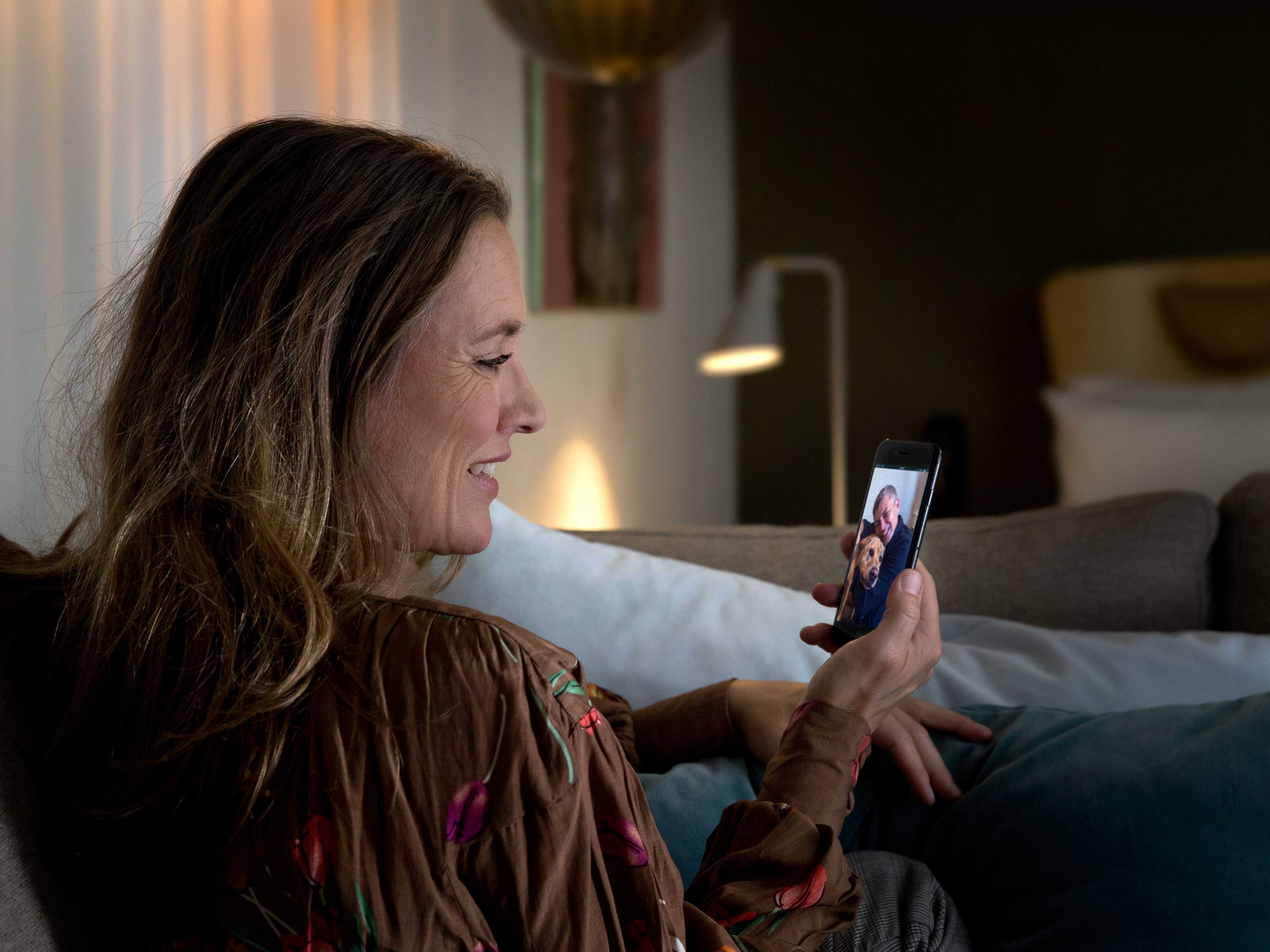
woman in bad with hearing loss, wearing hearing aids and looking at her phone

Introduction

The disruptive noise of someone's snoring while attempting to get some shut-eye can be an aggravating experience. However, persistent snoring might point towards a deeper concern – sleep apnoea. This chronic condition manifests as intermittent breathing pauses during sleep, occurring frequently and lasting anywhere from a few seconds to several minutes. Consequently, individuals with sleep apnoea might experience a reduced supply of oxygen to the brain.

The Study

Dr. Amit Chopra, a respected Pulmonologist at Albany Medical Centre in New York, delved into the effects of sleep apnoea on the human body, specifically exploring its potential association with hearing loss. In a comprehensive study conducted in May 2014, Dr. Chopra and his team surveyed 13,967 participants to examine the potential link between sleep apnoea and hearing impairment.

The Results

The research findings revealed a significant correlation between sleep apnoea and varying degrees of hearing loss. Participants diagnosed with sleep apnoea exhibited a 31% increase in high-frequency hearing loss, a 90% increase in low-frequency hearing loss, and a 38% increase in combined hearing loss. Dr. Chopra underscored the implications, stating, "Customers with sleep apnoea face heightened risks of various comorbidities, such as heart disease and diabetes, and our findings suggest an elevated risk of hearing [loss] as well."

Dr. Chopra's 2014 hypothesis proposed a potential obstruction of vascular flow to the cochlea, a crucial component of the inner ear responsible for converting sound vibrations into nerve impulses transmitted to the brain. This obstruction, termed cochlear damage, can lead to sensorineural hearing loss.

Despite the established correlation between sleep apnoea and hearing loss, the study refrains from concluding that sleep apnoea directly causes hearing impairment. Dr. Chopra emphasised the critical need for further research to comprehensively identify specific mechanisms that could help prevent hearing loss associated with sleep apnoea.

Related articles

Woman smiling wearing hearing aids
Updated Nov 25th - 10 min read

7 myths about tinnitus

Tinnitus is probably causing that ringing or buzzing in your ear that doesn’t seem to go away. Maybe your doctor told you that tinnitus can’t be helped – that you’ll just have to deal with it?
Hearing aidsHearing loss
man working with hearing loss looking at his phone
Updated Nov 25th

Spread the word

Make sure you let those around you know you're now wearing a hearing aid.
Hearing aidsHearing loss
Wearing hearing aids when you are out with a best friend
Updated Jun 18th

5 Ways Hearing Aids Can Improve Your Life

When you hear "hearing aids" do you think "big, ugly, for old people"? These days hearing aids are discrete, have advanced technology and positively impact the wearer’s life, such as improve relationships and overall quality of life.
Hearing healthRecommendedHearing aids

Talk to an audiologist in one of our stores.

Book an appointment

Need further support? Call us.

0800 522 422
New zeland

Find a store near you